Typewriter Justice
I bought an Olivetti Underwood 21 in perfect condition from an old gentleman in Southlake, TX, for $60. All it needed was a new ribbon. The Underwood 21 says "portable" but it's really a solid desktop workhorse. I ordered a two pack of ribbons on Amazon for $15 and was all set to swap it myself when I thought: "what if someone could pull this thing apart and make sure everything was alright?"
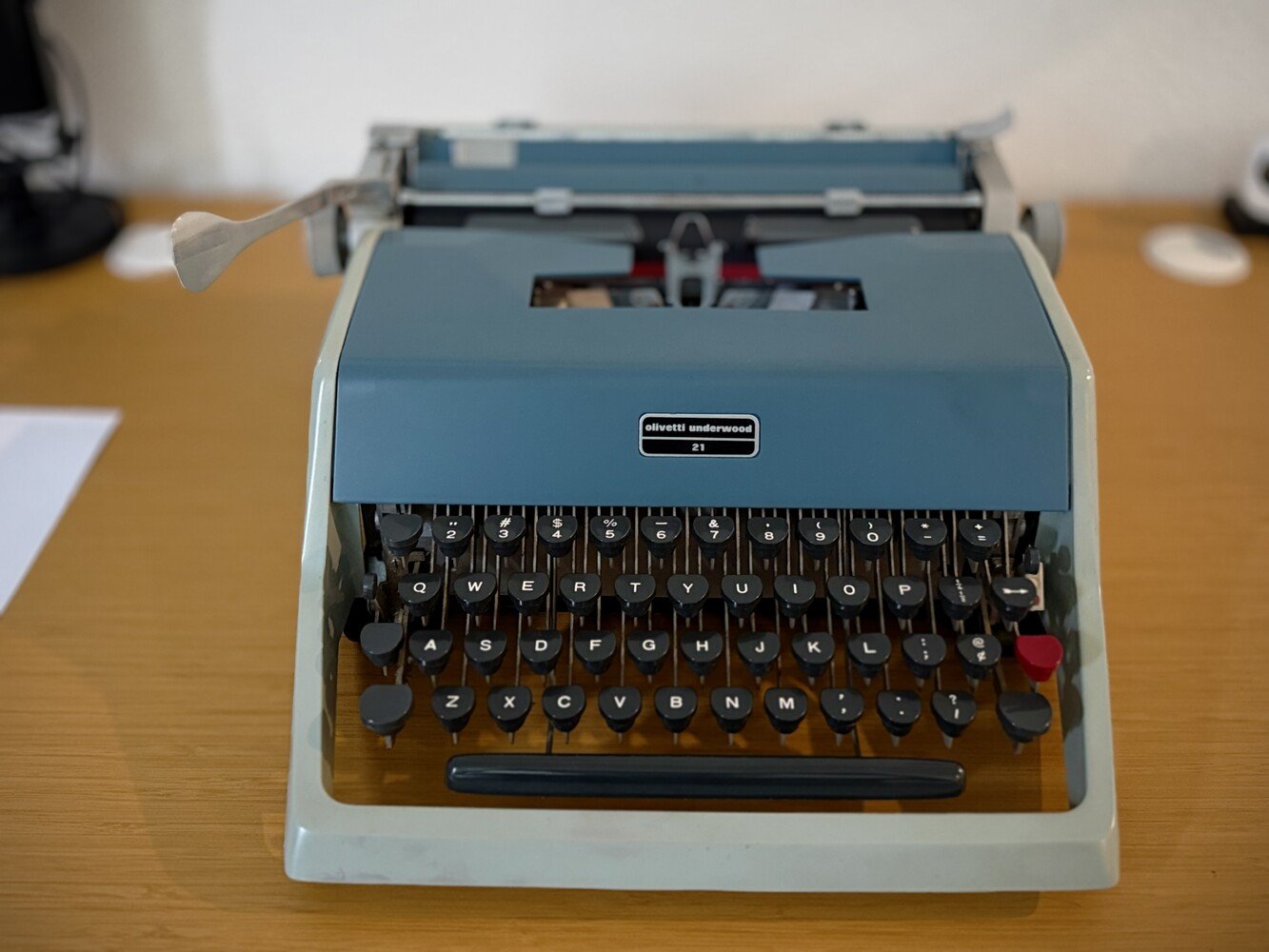
If you've ever looked inside a manual typewriter, you know. Depending on the mechanism, there are between a thousand and two thousand parts, and somewhere between forty and a hundred tiny springs. Seeing one naked is rapture. The Olivetti was from 1959.
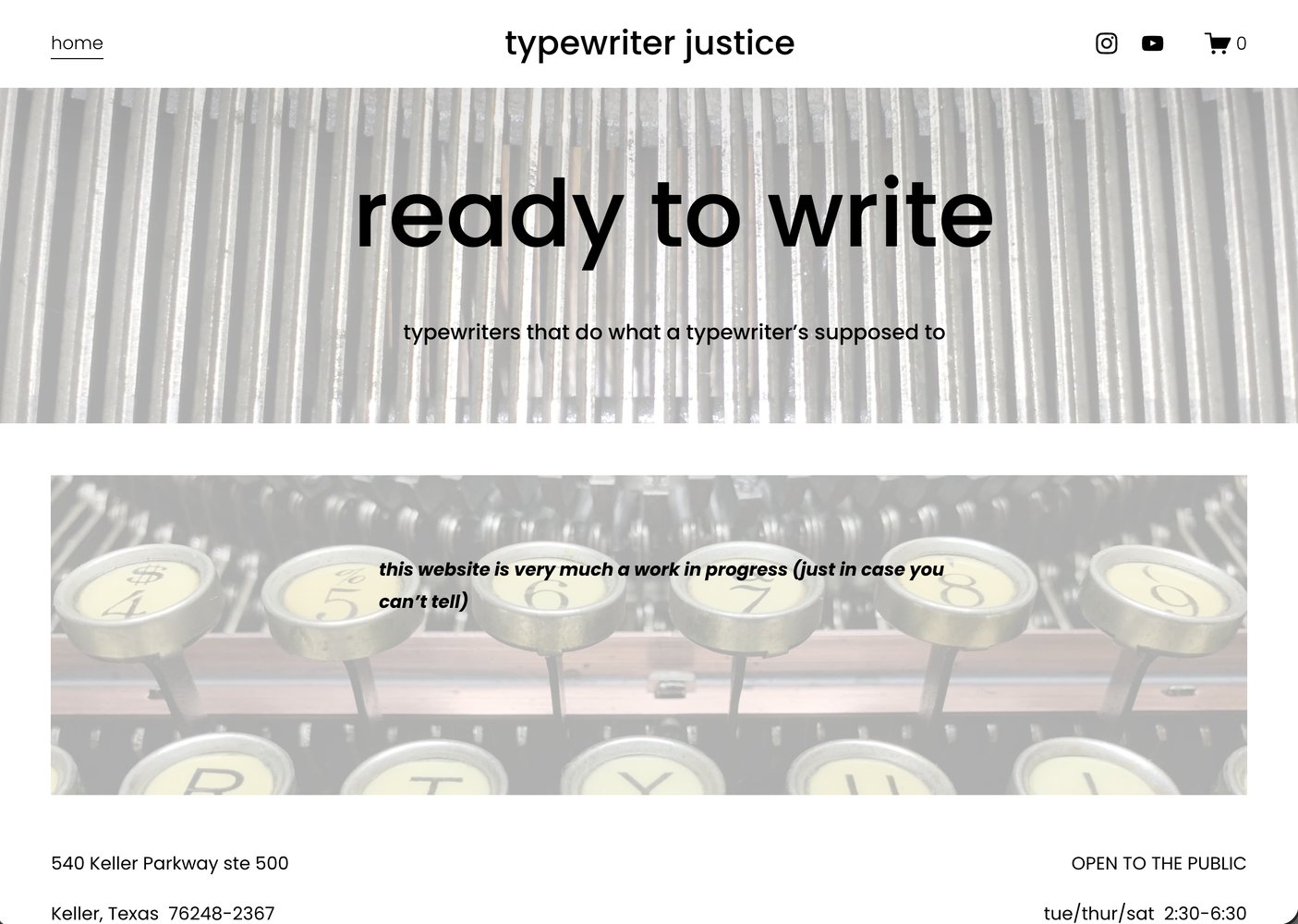
But, I had no tools. So I pulled up Google Maps. "Typewriter repair" went in the text field. "Typewriter Justice" came back, a small shop in Keller, TX. I clicked the listing, then the website. Coming soon. The hours said 2:30 to 6:30 pm, Tuesdays, Thursdays and Saturdays.
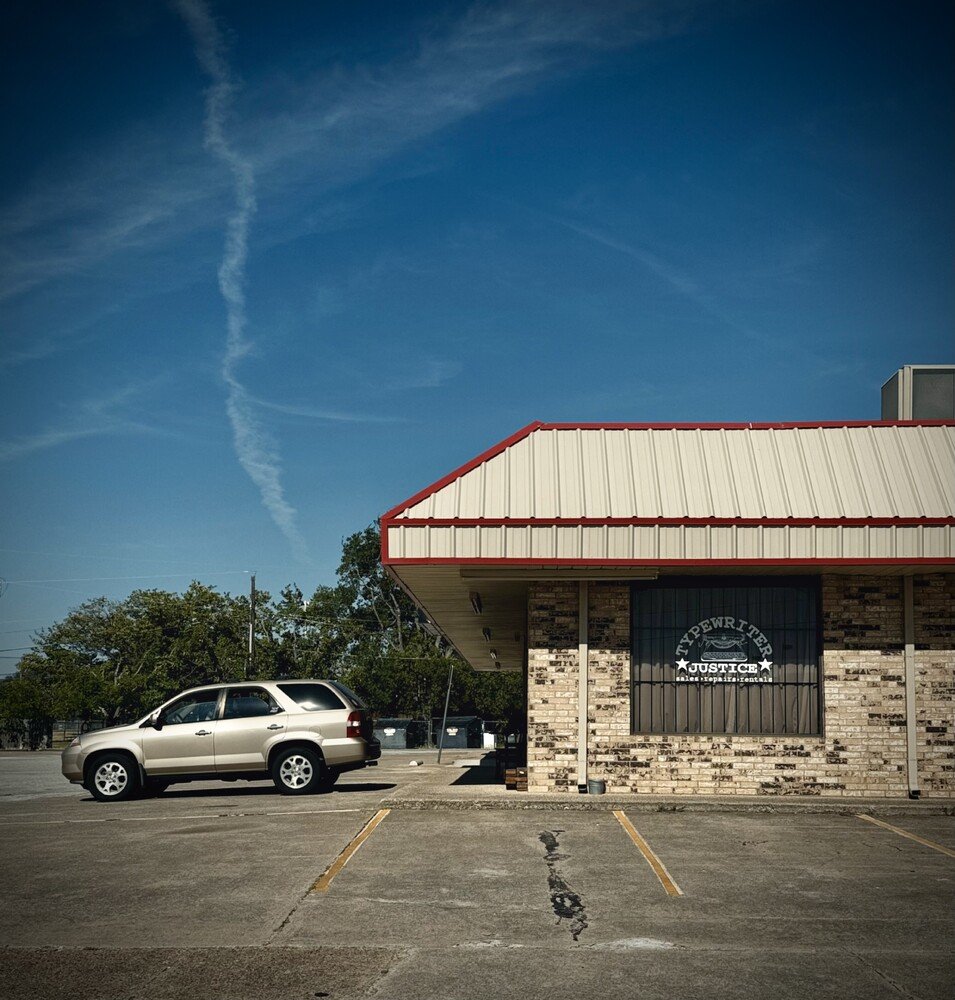
So I went on a Tuesday.
"Greetings!" Charlie yelled from his workbench, screened off by a shelf he'd built from reclaimed wood. "I'm Charlie, how can I help?"
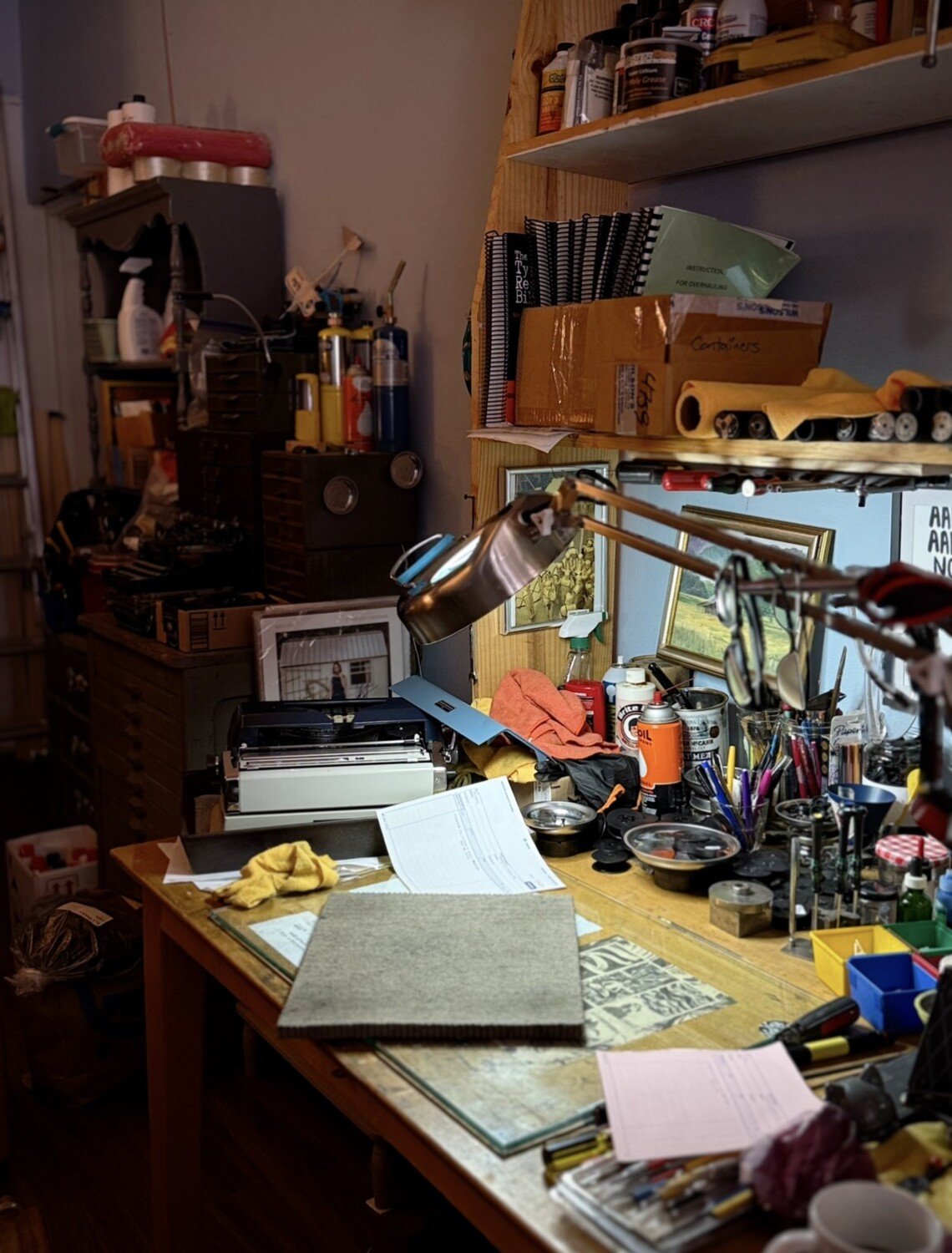
My mouth was open, but I could not speak.
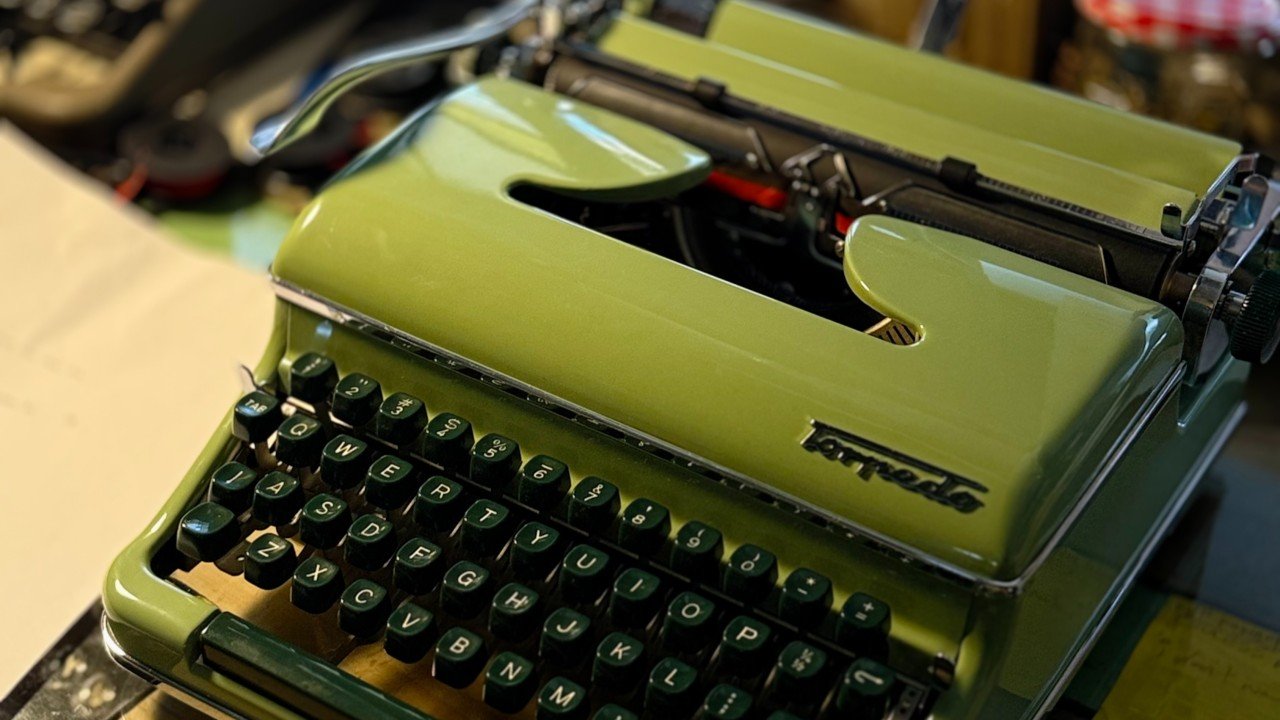
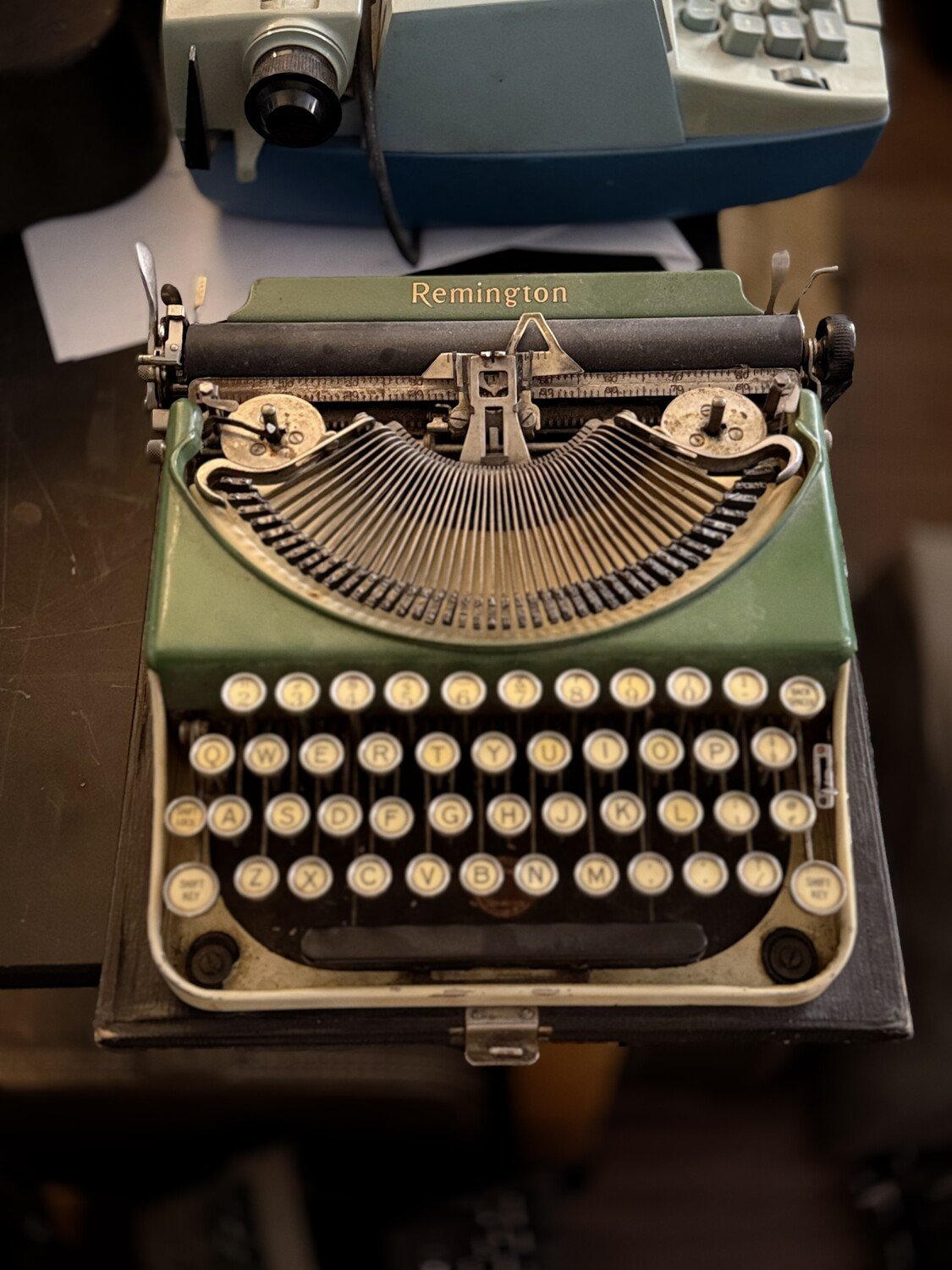
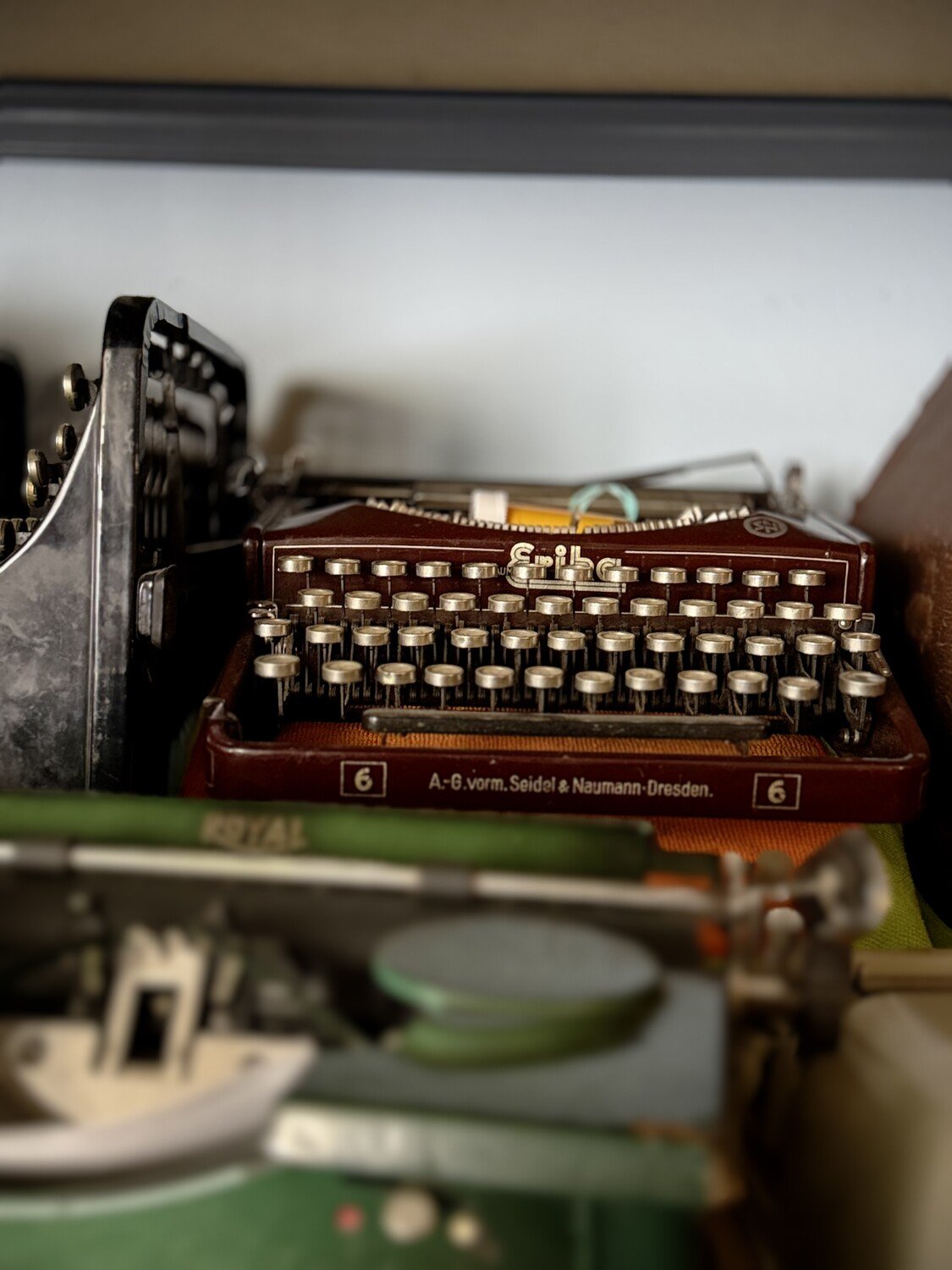
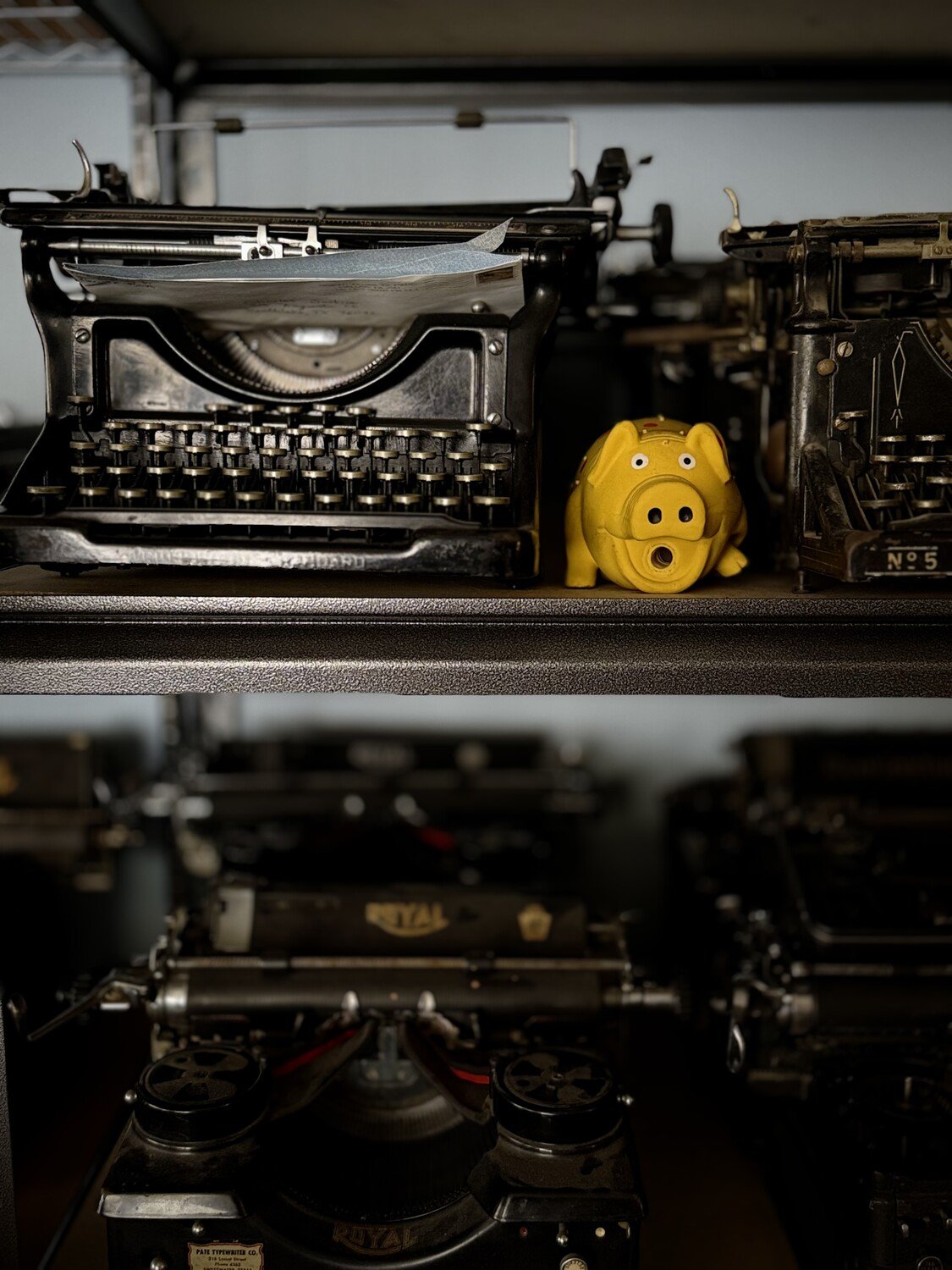
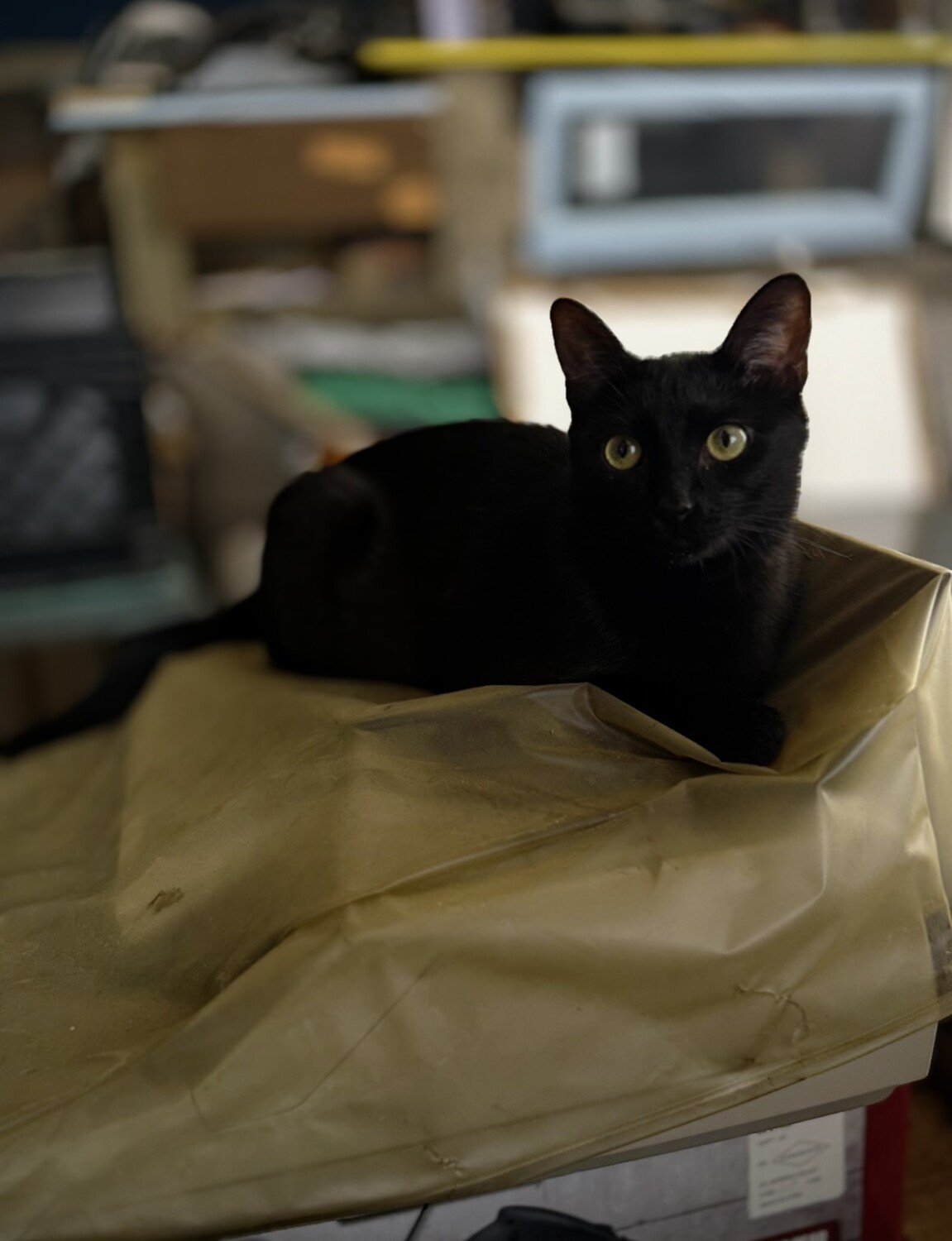
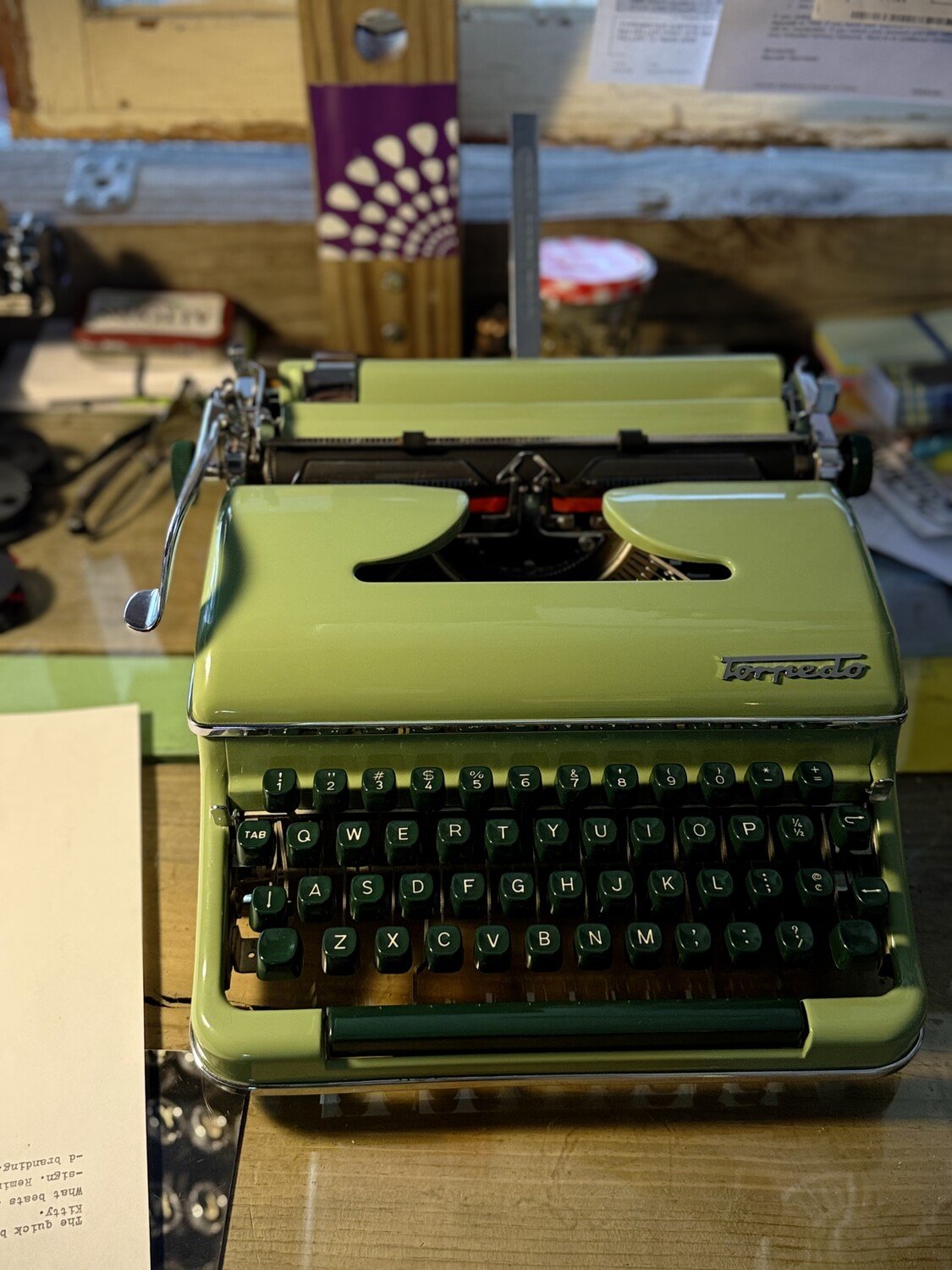
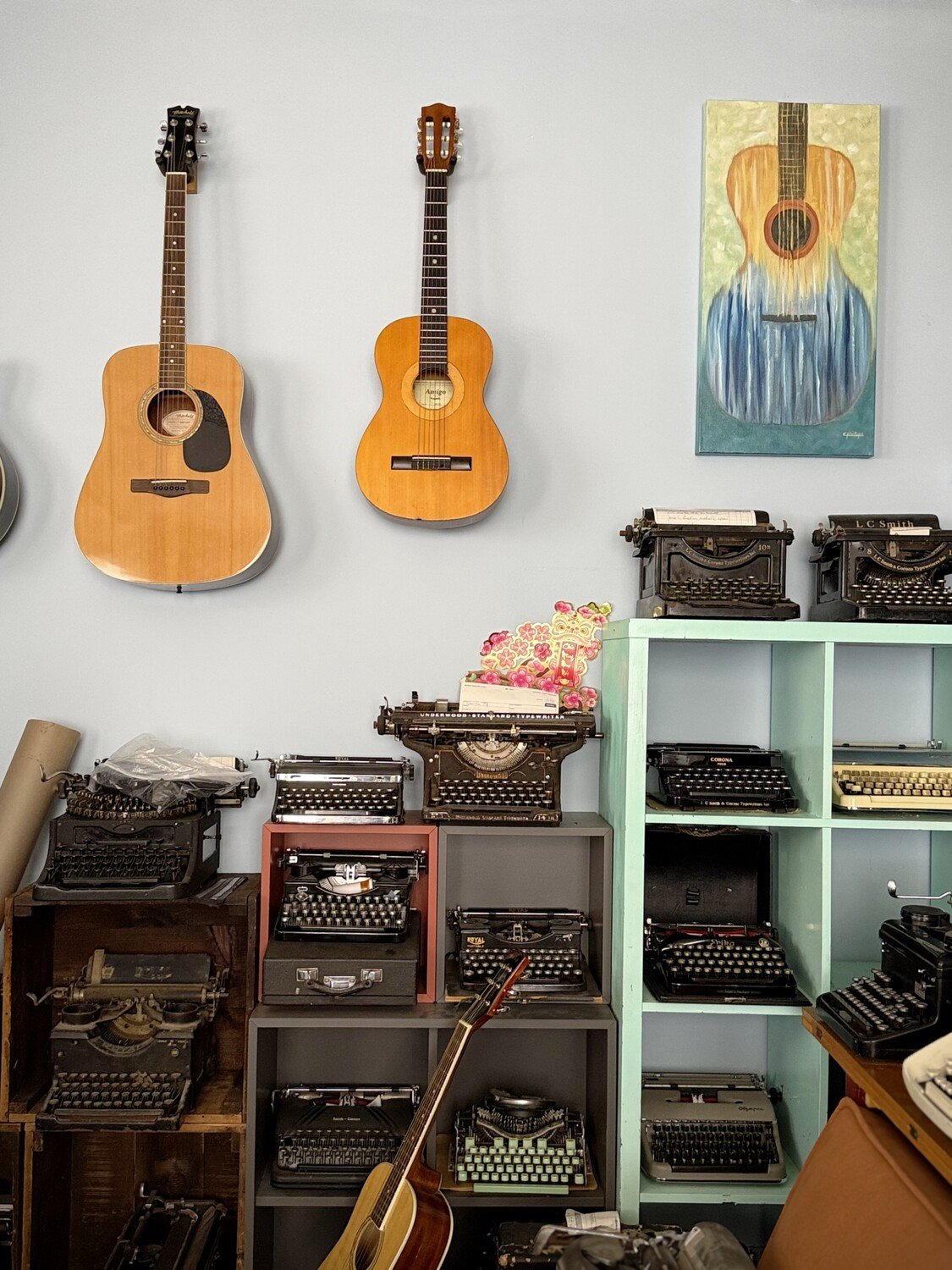
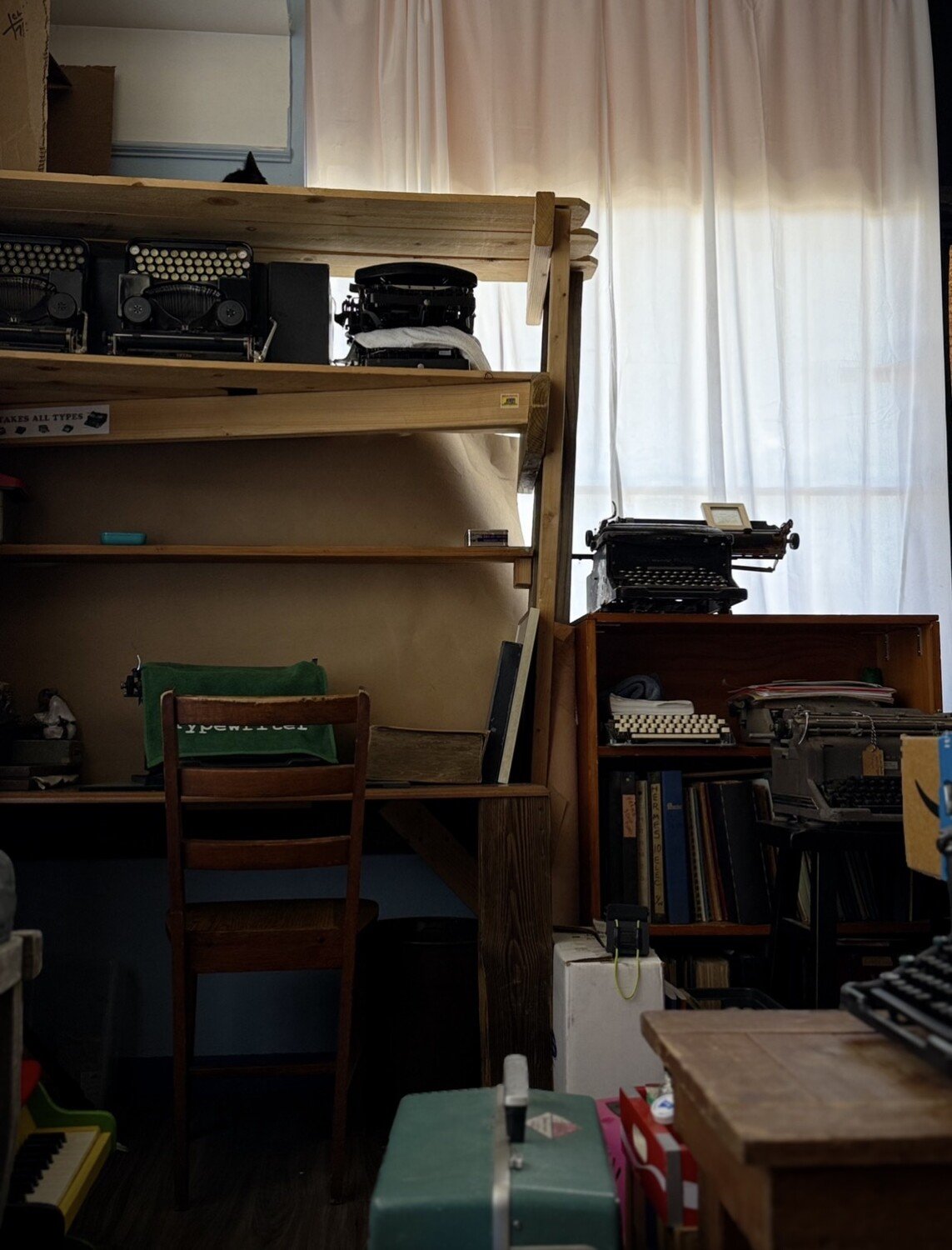
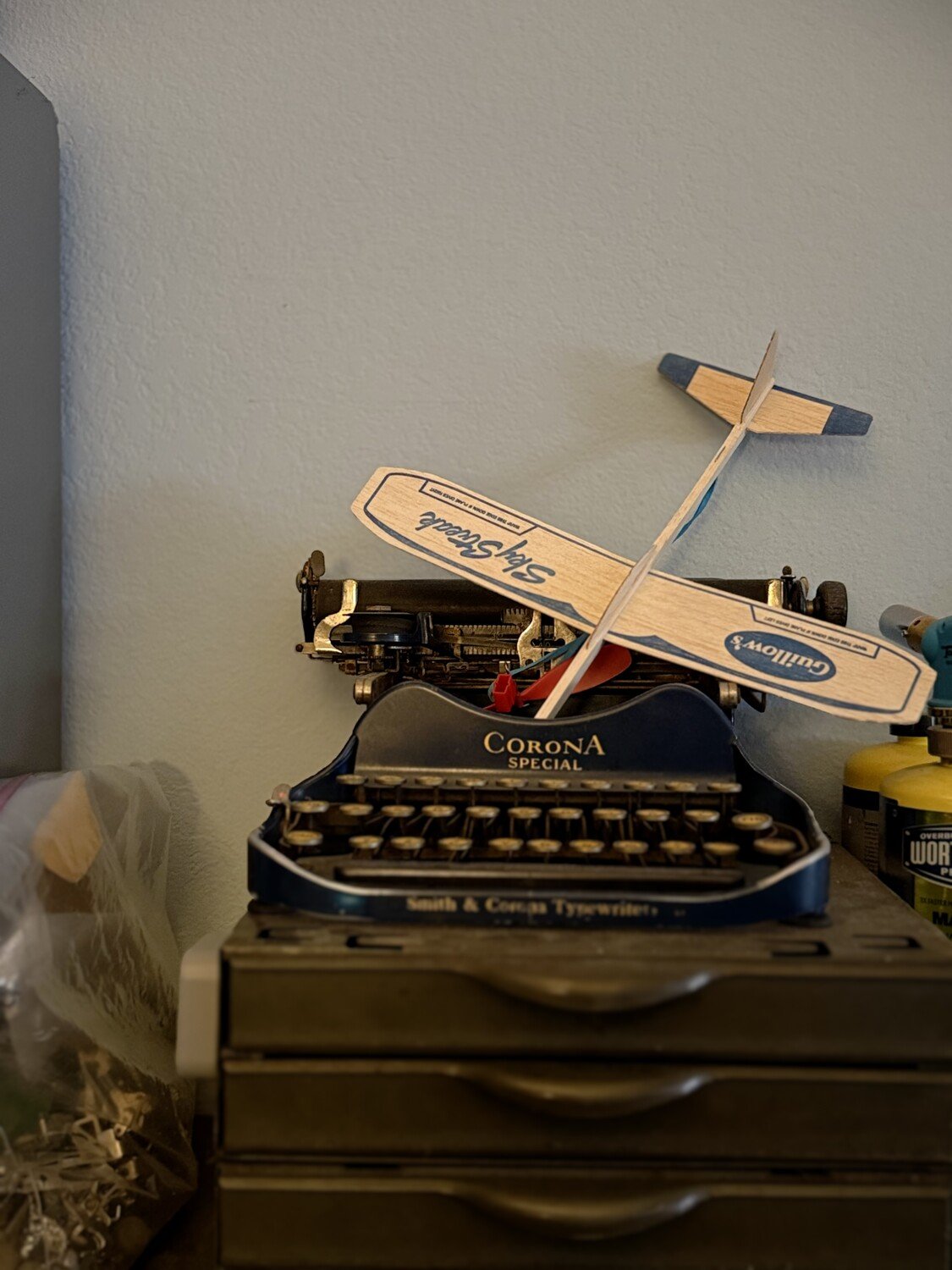
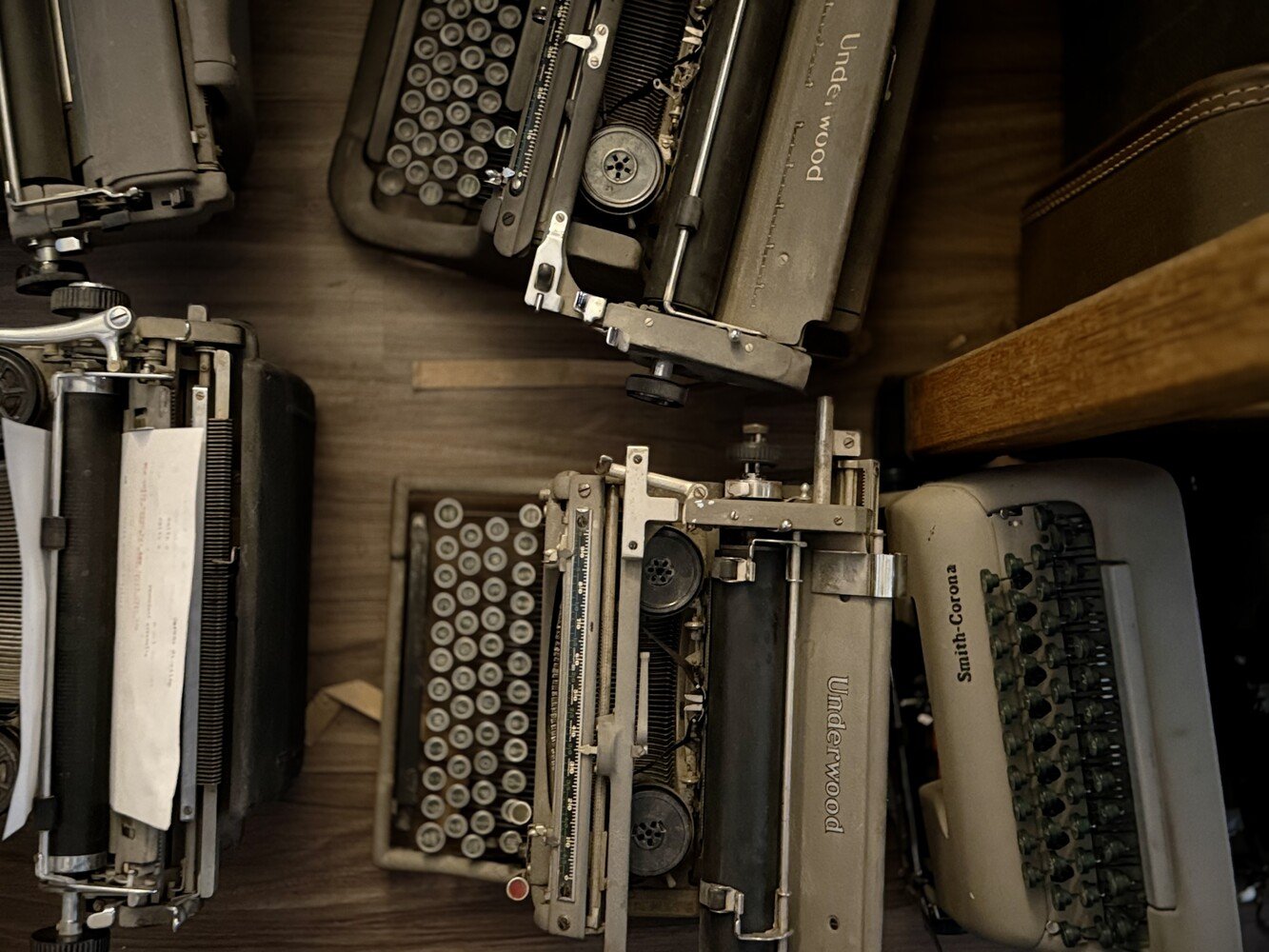
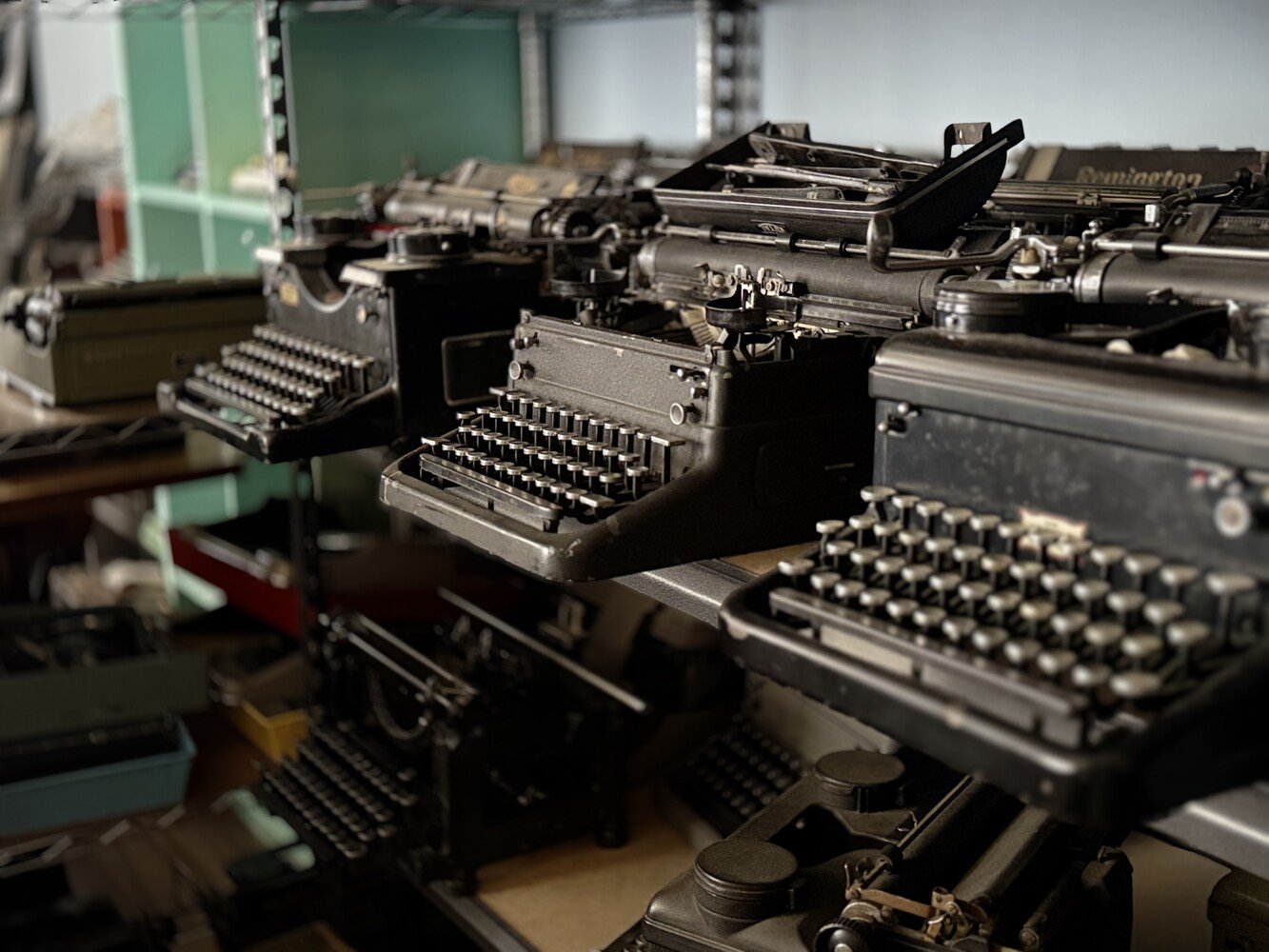
There were more than three hundred typewriters in the shop. Not just any typewriters. Oliver Batwings from the 1800s. Early 1900s Corona foldables. Half taken apart Hermes 3000s. Remingtons. Seidel & Naumann models S, T and 5. Olympias. Torpedos! Plus a yellow piggy bank and a black cat named Abby.
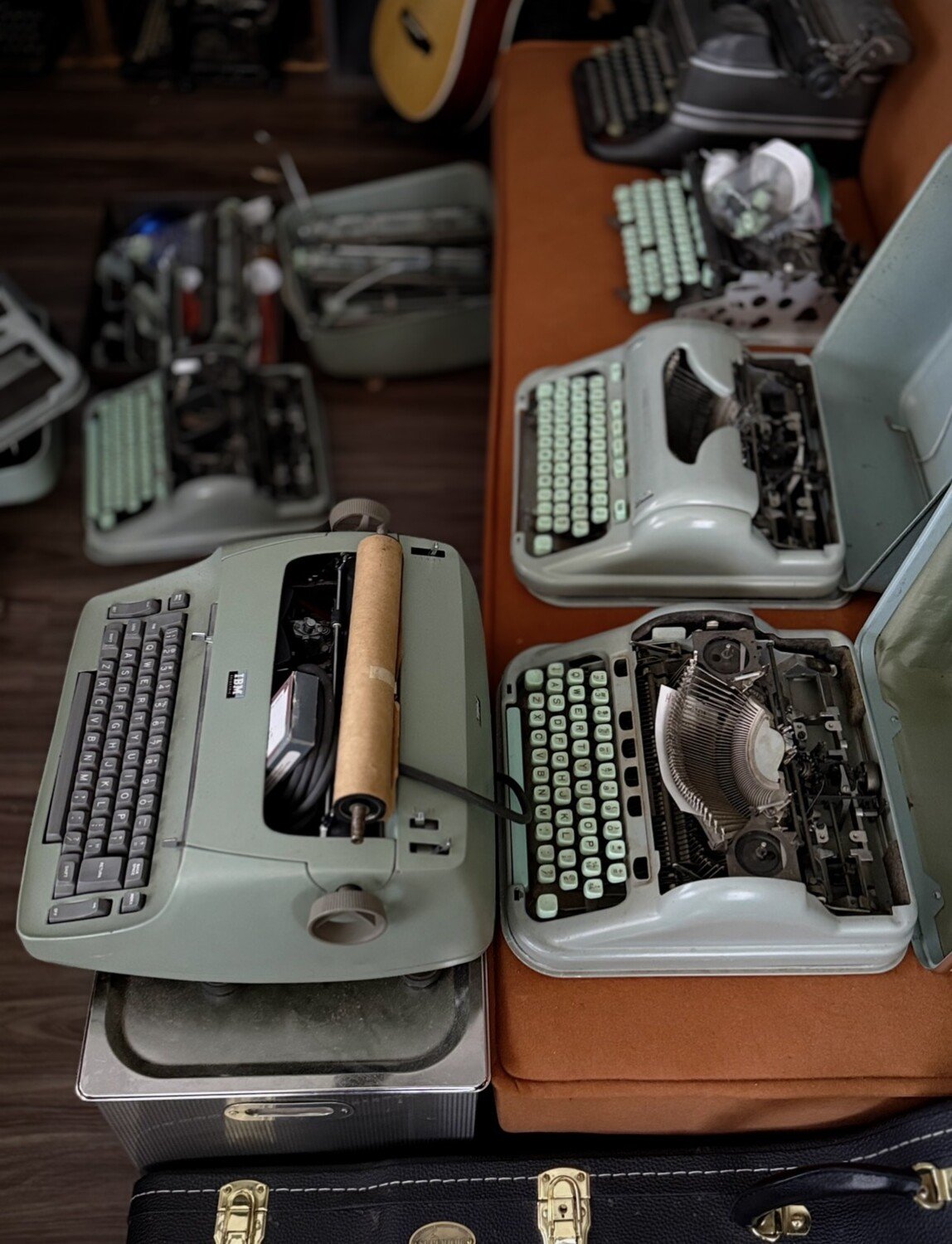
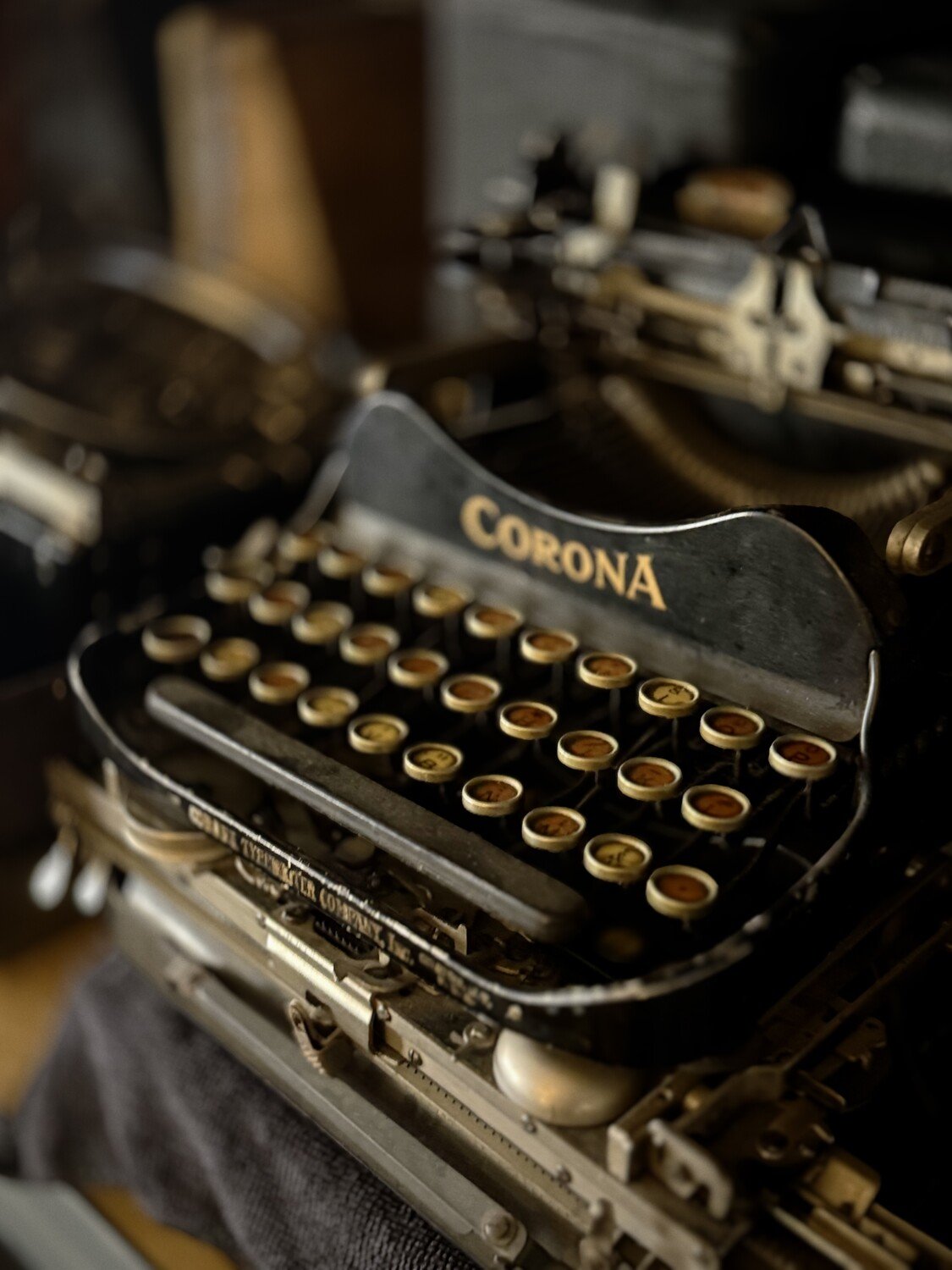
"Hi Charlie, I'm Prithvi." We shook hands. "I've an Olivetti that needs a new ribbon, and I'd love for you to look inside too."
Since that day, I've bought many more typewriters, and sometimes flipped them because they weren't for me. Every time, I'd go to Charlie. Soon I was at his shop thrice a week just to chill. Charlie would brew supermarket coffee in a French press for the both of us, sit back at his bench, and keep working on whatever he was working on. We'd talk typewriters, the cities they were built in, the manufacturers that no longer existed because their towns didn't exist after World War 2. I'd be listening and responding, but also walking the store for the 1,247th time, photographing, typing, admiring, feeling the machines on the shelves by hand.
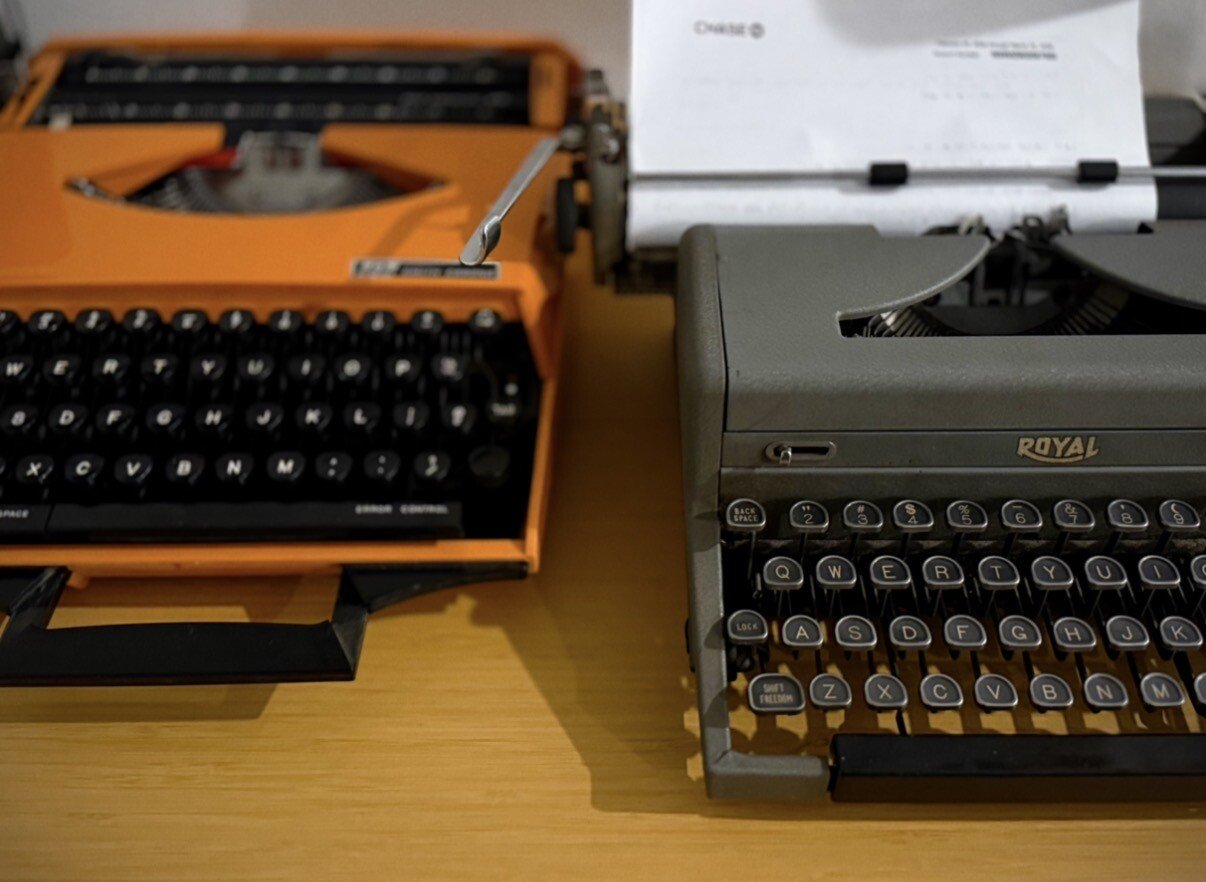
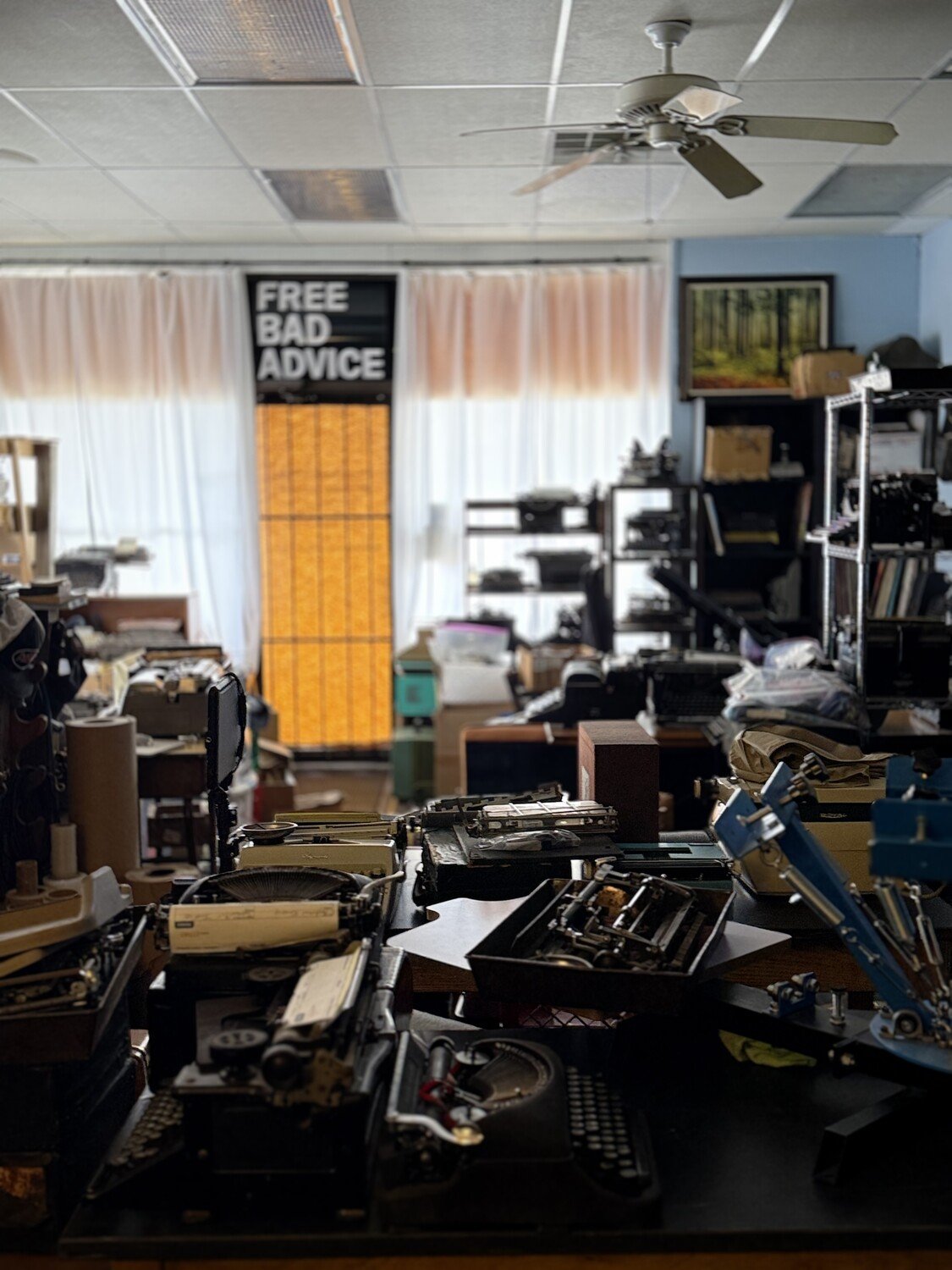
Oddly enough, Charlie and I shared more than typewriters. Boards of Canada on repeat at work. Qawwalis. Flow.
Now, the website.
A month or so after I first met Charlie, I had some downtime, and when I let my mind wander, it went to Charlie's shop. Next time we met, I asked. "Charlie, who built your website?"
"No one. Well, it was supposed to be me. I built a coming soon page on Squarespace and never had time to learn how to build the rest. I've paid Squarespace nine hundred dollars to host so far. It's been three years."
"Damn," I said.
Back home that night, I narrated something like this article to Claude, gave it the photographs I'd taken, a few instructions, and asked it to build Charlie's shop a website. A few changes later, I was happy. Sent it to Charlie the next morning: "Hey Charlie, I built you a website. Sit with it for two days, tell me what you want changed, and then we'll make it live."
"I can't believe it! The website is like the shop! How did you do it?" He hearted the link.
That Friday afternoon I left work early and landed at Charlie's shop. Officially closed on Fridays, but Charlie's always there, plus I have privileges. Orbitalpatterns was playing on his vintage Sony bookshelf speakers.
"Greetings, Charlie," I announced, storming in. "Hey Abby!"
"Good afternoon, Prithvi."
"I've an idea. Have you used AI?" A tricky question to ask a man who spends his days intimate with atoms.
"No, but my friend says I should. Says it's unlocked a lot for his business."
"How about I show you how to set up a basic AI subscription, launch your website, and manage it yourself? Twenty dollars a month for the AI, zero for hosting. Cheaper than Squarespace. I promise it's easy. I'll walk you through it."
I thought it would take two hours. It took five. We set up Claude desktop, connected Drive, mail, and calendar, made a sheet to capture website inquiries, signed Charlie up on GitHub and Cloudflare. A lot of questions later (I was overjoyed to answer them, because the kid in me was learning again too), we did it.
Typewriter Justice was live. Charlie was beaming. I was exhausted, but light. In my own way I had taught a man to fish, and I was happy to receive his gratitude in return.
Story's not over.
Charlie had let me type on pretty much any typewriter in the store that could be typed on (Do Not Attempt). Through all those visits, he'd sensed who I was, and which typewriter would keep me typing instead of just admiring it on a shelf.
"I want you to type on an Erika I have and tell me what you think."
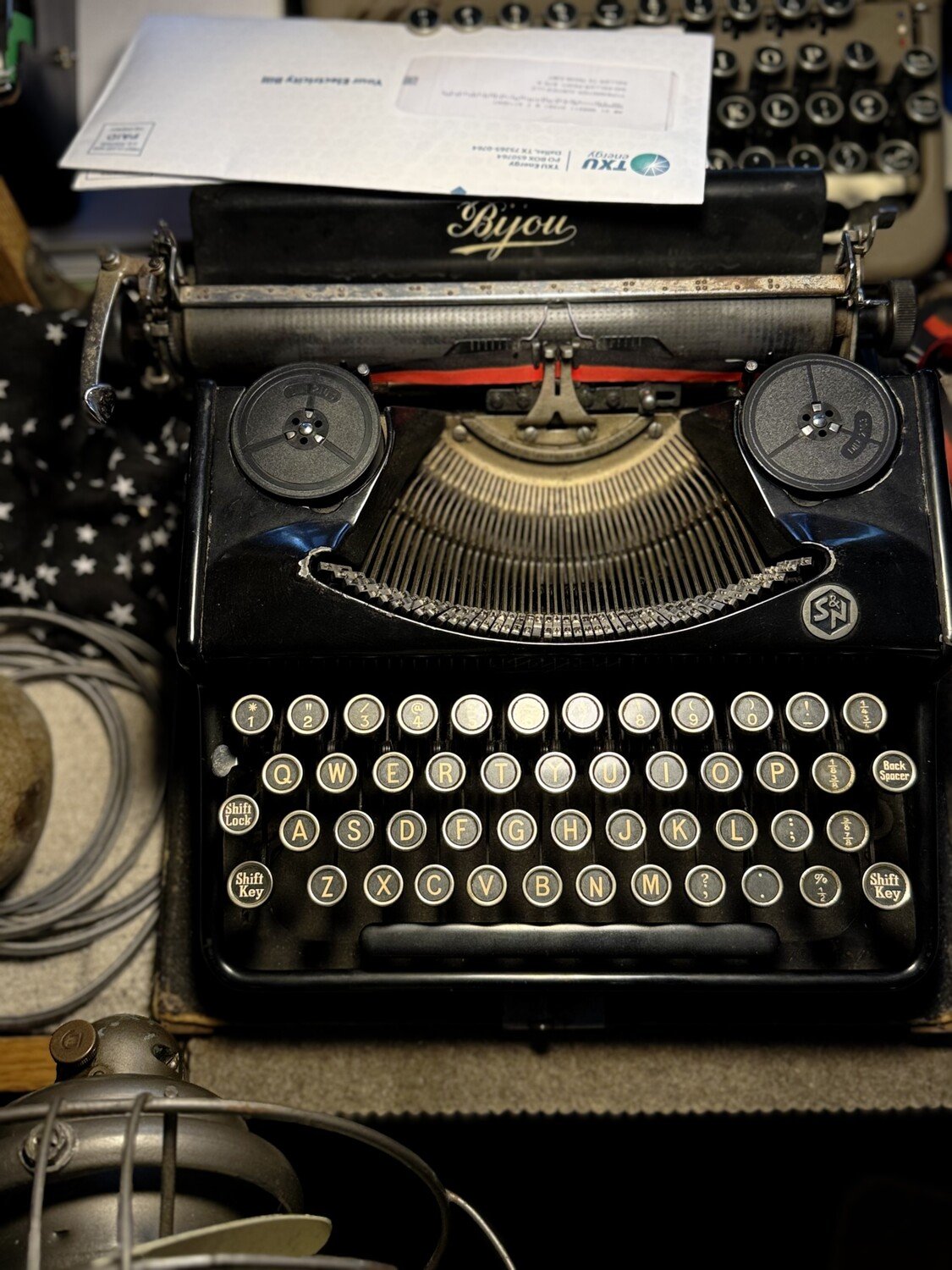
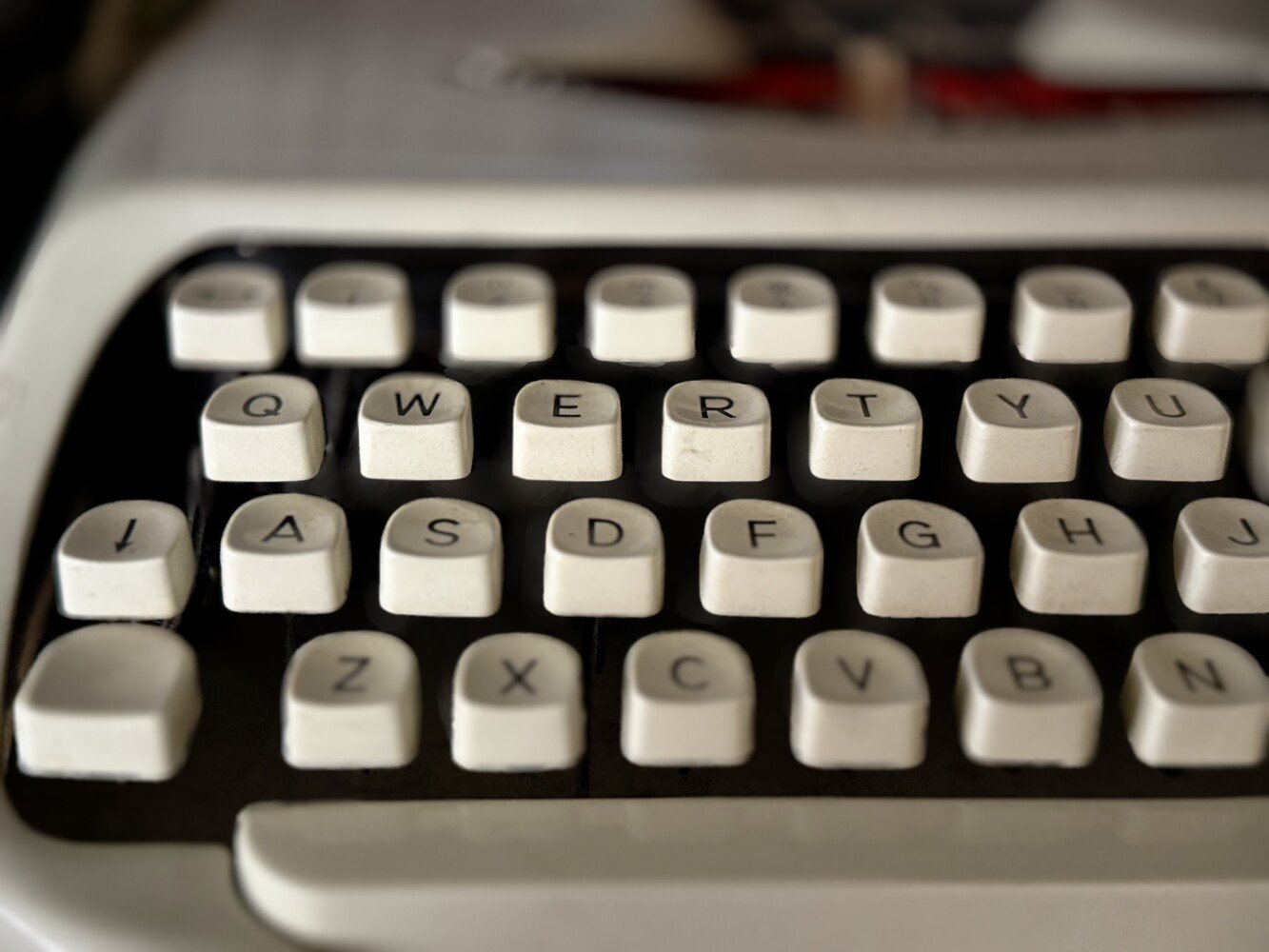
I love Erikas. For many weirdly technical reasons, but mostly because typing on those glass tops feels like butter. Maybe even time slowed down. This one was a model 5, branded Bijou for either the British or the French market. I typed three strokes and started grinning like Garfield.
Truth is, I had never typed past four or five strokes on an Erika or a Torpedo, because a) they feel precious (the older Erikas especially, their Dresden factory was destroyed in WWII), and b) I start grinning and can't stop.
"I love it," I said, after those three strokes.
"When do you leave for San Francisco?"
"In three days. But I'll swing by DFW on my way back from Brownsville next Wednesday."
"I'll have her ready for you by then. I'll work on her this Sunday. She's almost there."
"Thank you, Charlie. I appreciate it." We shook hands.
By the time I came back for the Erika, Charlie had already started making changes to his website, and he hasn't stopped. He's added his own photos, built an inventory sheet, rated his stock by readiness to ship, and is working on a live commission board.
I think the moment I felt real joy was when Charlie made his first set of changes. The website was fully his now.
Westward and up from Brownsville, Typewriter Justice was my last stop in Texas. Charlie made coffee, sat me down, took the top off the Erika, and started rattling off know-how specific to Erikas. He showed me most of her insides from the bottom, explained how she worked, and which of those mechanisms were unique to Seidel & Naumann machines. An hour later, it was time. I went around Charlie's shop one more time. Slowly. He'd changed a few things since my first visit. Then I picked up the Erika and faced Charlie square.
He had a wide grin, arguably the widest I'd ever seen on his face, and moisture in his eyes. In these few months, Charlie had shared more than his love for typewriters.
"Prithvi, it is a pleasure, whatever this is... acquaintance... friendship..."
I smiled back. "Thank you, Charlie. It is special." I didn't say anything more. I wanted it to be Charlie's moment, and then a shared silence.
"We should get a picture together that's not a selfie," I said. We had two selfies from launch day.
A young man walked in the door, bald and well built, selling pound cake for his ministry. "Would you like to buy some pound cake?"
Charlie: "I have twenty dollars. How many can I get?"
"Two."
"Thank you. Here's twenty dollars."
Me: "Can you take a picture of us, please?"
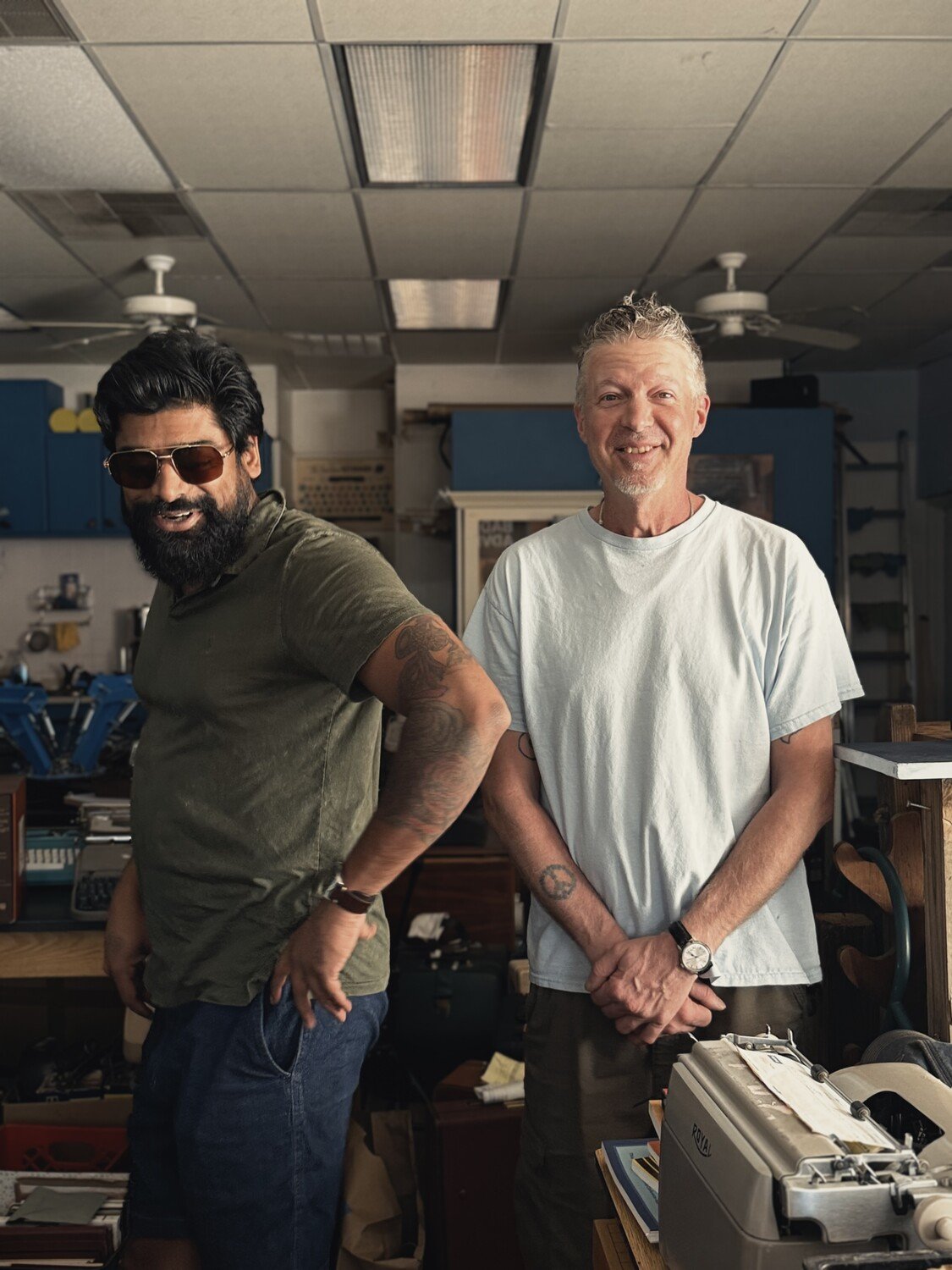
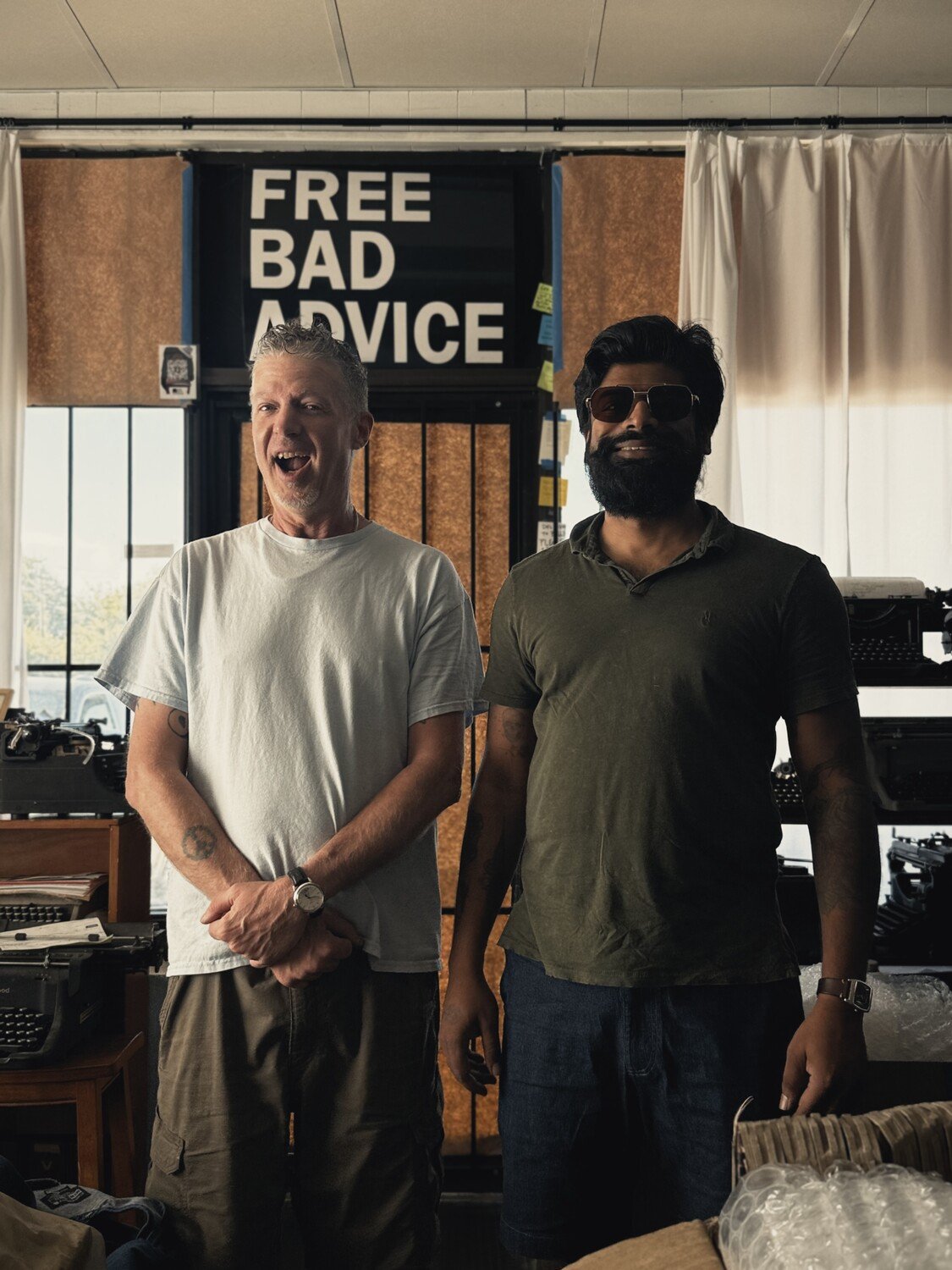
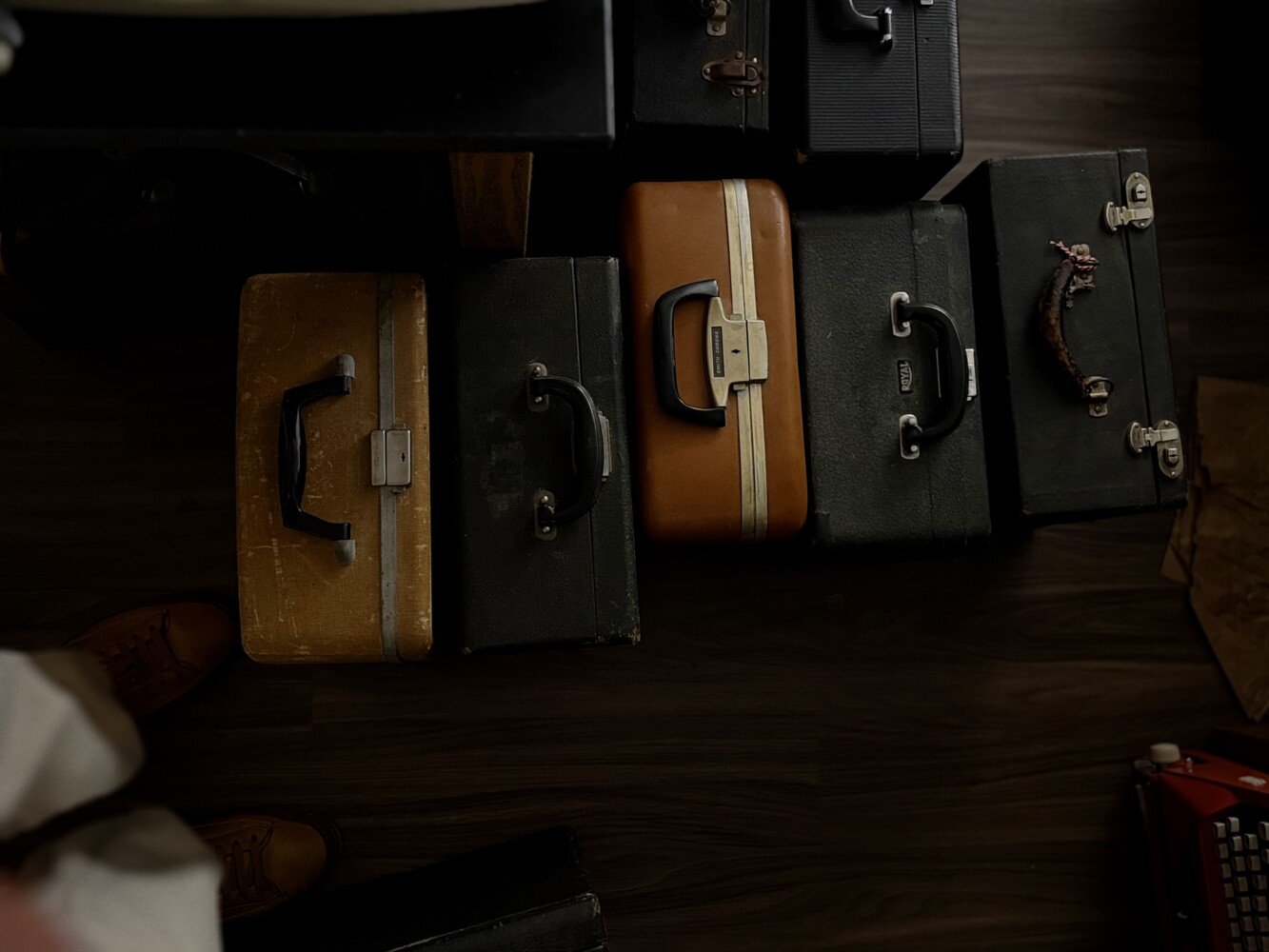
Additional Gallery Below: All pictures except above two shot by me on an Apple iPhone
Originally published on LinkedIn, August 27, 2026.